1. From Campus to Career: How One Platform Is Simplifying the Job Hunt for Students

The journey from campus to career is often perceived as a daunting transition. For most students, the final years of college are filled with anxiety about placements, interviews, and the uncertainty of landing a dream job. However, the rise of specialized platforms is changing this narrative, making the job hunt more structured and less stressful.
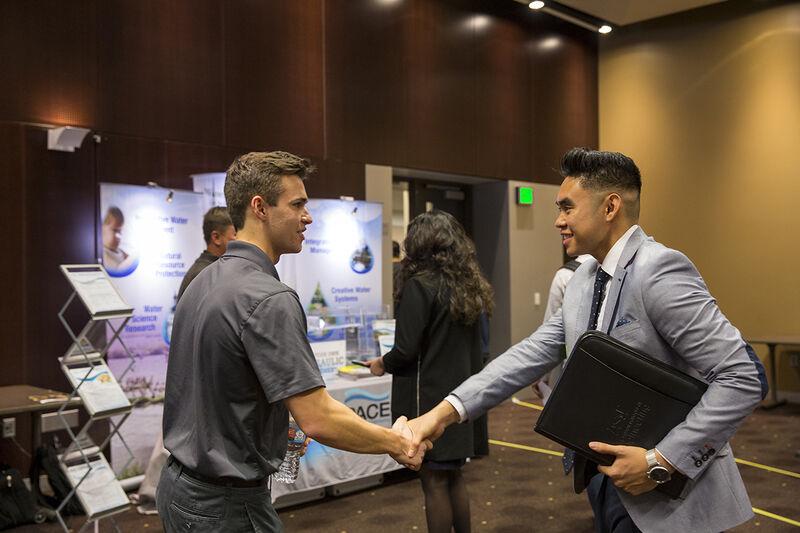
Modern platforms like Rise2Hire act as a bridge between academic learning and industry requirements. They provide students with access to verified job openings, industry-standard training, and direct connections with recruiters. By centralizing these resources, students no longer have to navigate multiple job boards or rely solely on traditional placement cells.
Furthermore, these platforms offer tools for resume building, skill assessment, and interview preparation, ensuring that students are not just applying for jobs but are truly prepared for them. The result is a more efficient placement ecosystem where the right talent finds the right opportunity faster than ever before.
2. Why Skills Alone Aren’t Enough: Bridging the Gap Between Learning and Employment

In today’s competitive job market, a common complaint among recruiters is that while many candidates possess degrees, they lack the practical skills required for the job. This "skills gap" is one of the biggest hurdles to employment for fresh graduates. While academic institutions focus on theoretical knowledge, the industry demands hands-on experience and problem-solving abilities.
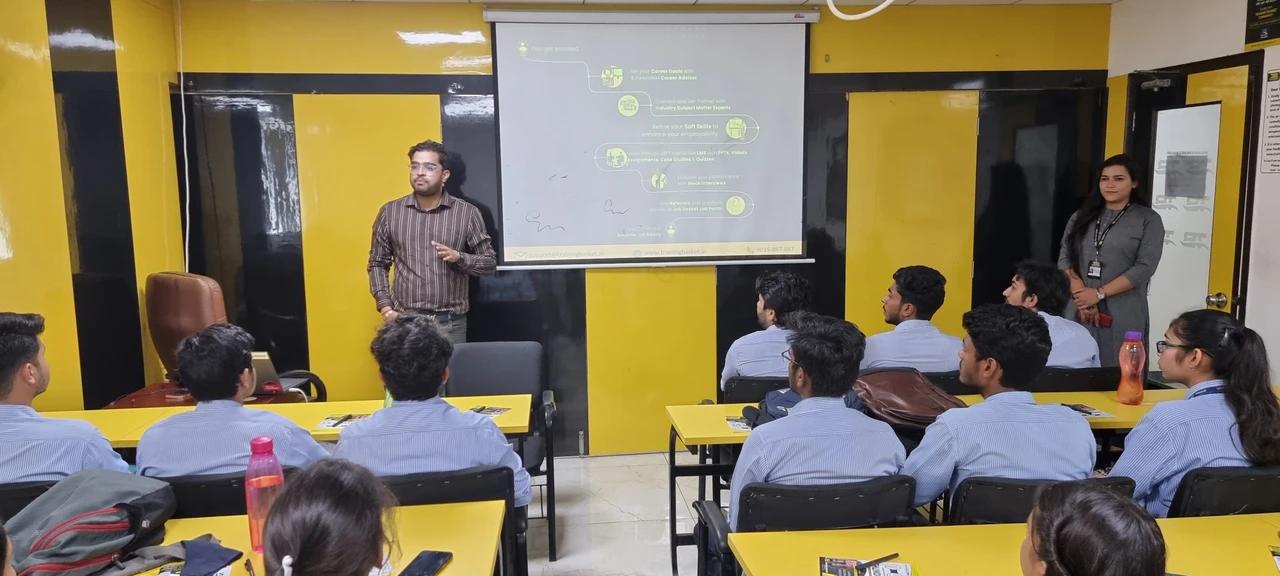
Bridging this gap requires a shift in how we approach learning. It’s no longer enough to just learn the concepts; one must understand how they are applied in real-world scenarios. This is where industry-aligned training programs come into play. By working on live projects and receiving mentorship from professionals, students can gain the practical insights that traditional classrooms often miss.
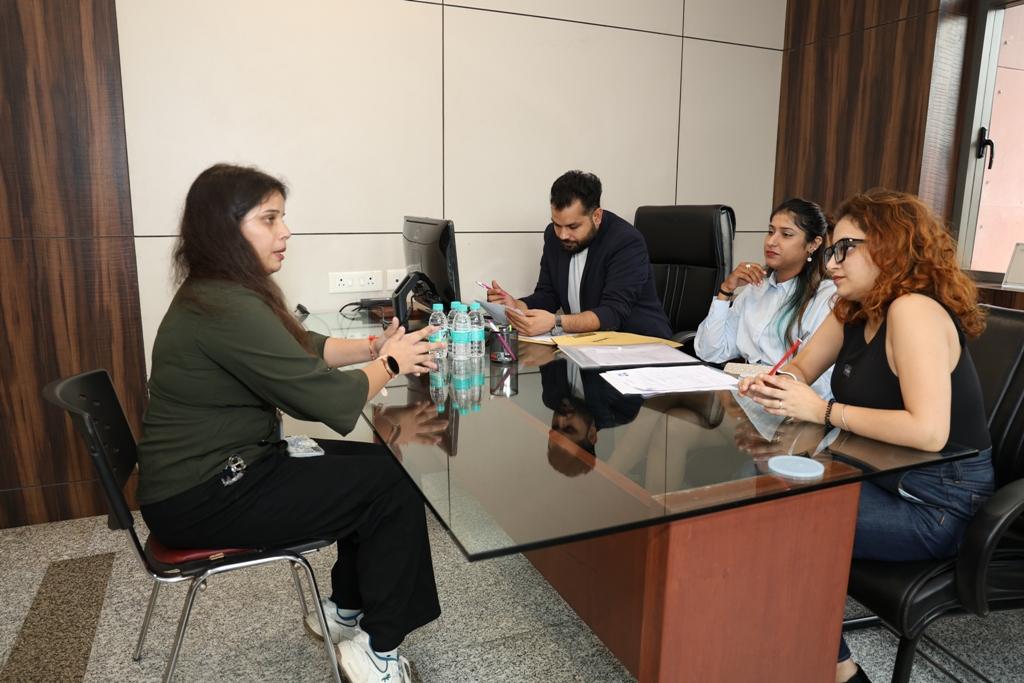
Platforms that integrate training with hiring provide a unique advantage. They allow students to prove their capabilities through performance-based assessments rather than just their grades. For employers, this reduces the risk of hiring the wrong candidate and ensures that the new hires are productive from day one.
3. Reimagining Campus Placements: How Colleges Can Achieve 100% Employability

Achieving 100% employability is a goal for every educational institution, but traditional placement models are often limited by their reach and resources. Reimagining campus placements involves moving beyond once-a-year placement drives and fostering continuous engagement between the campus and the industry.
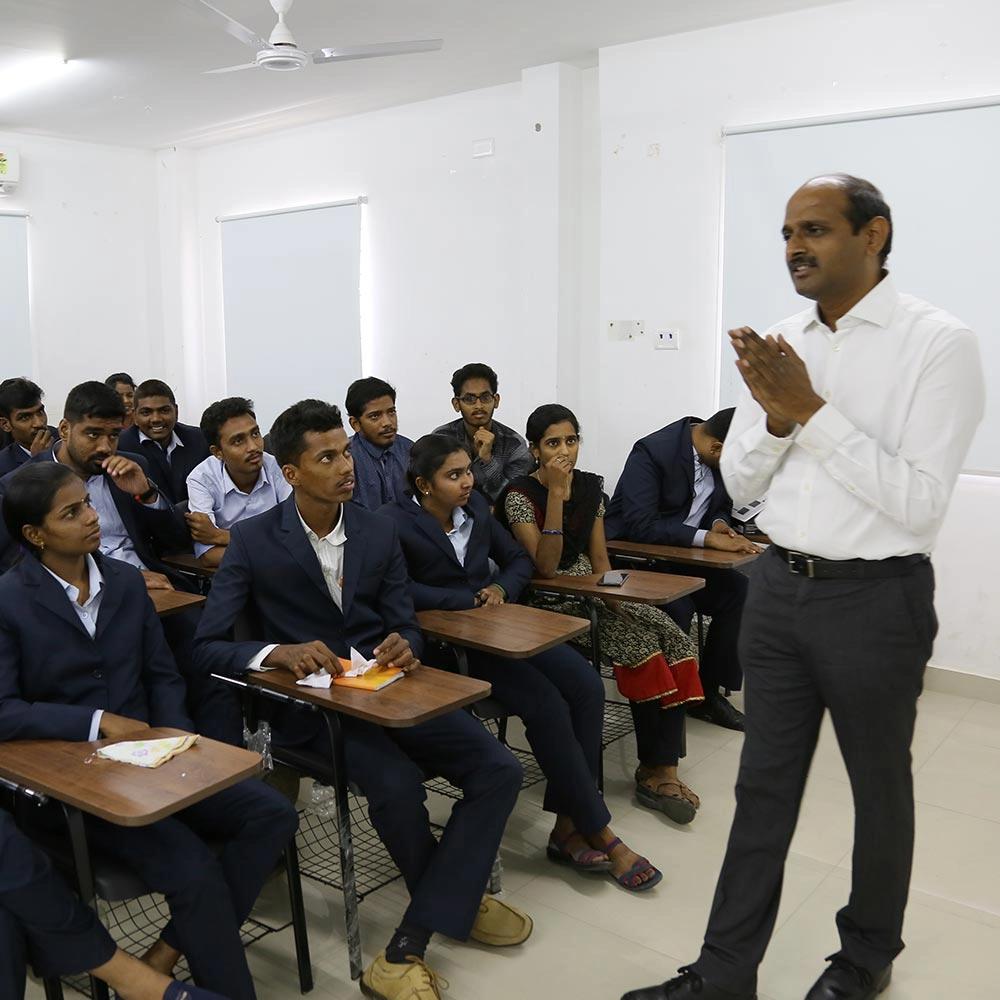
Colleges can achieve better outcomes by requesting collaboration with platforms that offer a wider network of companies and trainers. This not only exposes students to a variety of job roles but also helps the institution stay updated with the latest industry trends. Digital placement portals enable institutions to track student progress, manage recruiter visits, and streamline the entire process efficiently.

By empowering students with the right tools and providing them with multiple avenues for growth, colleges can transform their placement cells into true career-launching hubs. The focus should be on building long-term career readiness rather than just short-term job placements.
4. Industry Meets Academia: Building Stronger Career Pathways for Students

The collaboration between industry and academia is essential for creating sustainable career pathways. When companies actively participate in the educational process, they help shape the curriculum to reflect current market needs. This ensures that the education students receive is relevant and valuable.

Such requests can take many forms, including guest lectures, workshops, internships, and collaborative research. These interactions provide students with a glimpse into the professional world and help them build valuable networks before they even graduate. For the industry, it’s an opportunity to identify and nurture talent early on.
5. Turn Your Experience into Impact: Opportunities for Mentors and Trainers

For experienced professionals, there is a growing demand for knowledge sharing. Becoming a mentor or a trainer allows individuals to give back to the community while also enhancing their own leadership and communication skills. It’s an opportunity to shape the next generation of professionals and leave a lasting impact on their careers.

Platforms like Rise2Hire provide a space for experts to connect with eager learners and institutions. Whether through online courses, specialized bootcamps, or one-on-one sessions, trainers can build their personal brand and reach a global audience. It’s a win-win situation where expertise meets enthusiasm.
6. From Professional to Mentor: Shaping the Future Workforce

The transition from a professional to a mentor is a journey of growth. Mentorship goes beyond teaching skills; it involves providing guidance, support, and encouragement to help others reach their full potential. A good mentor can inspire confidence, offer perspective, and help navigate the challenges of the professional world.

By sharing their experiences—both successes and failures—mentors help students avoid common pitfalls and make informed career decisions. This culture of mentorship is vital for building a resilient and capable future workforce.
7. Smarter Hiring Starts Here: Finding Job-Ready Talent Faster

Traditional recruitment can be time-consuming and expensive. Smarter hiring involves using technology and data to streamline the process and find the best fit quickly. For companies, accessing a pool of pre-assessed, job-ready talent can significantly reduce the "time-to-hire" and improve hiring quality.

The platform also supports collaboration with consultants and institutions, making the hiring process more structured and efficient. By leveraging smart matching and data-driven insights, companies can reduce hiring time and improve the quality of hires.
8. The Future of Recruitment: Connecting HR, Consultants, and Talent


Recruitment is evolving rapidly with the rise of digital platforms. Rise2Hire brings together HR professionals, consultants, and talent into a single ecosystem. This integrated approach enhances collaboration and ensures better hiring outcomes. Consultants can manage candidates efficiently, while HR teams gain access to verified talent.
The platform also enables real-time communication and tracking, making the process transparent and efficient.
9. One Platform, Multiple Solutions: Solving Hiring and Employability Challenges
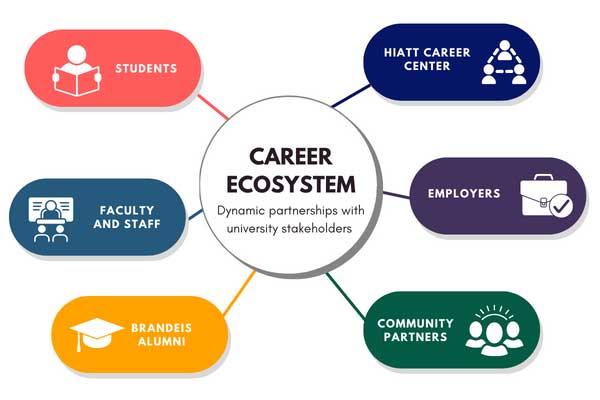


The challenges of employability and hiring are interconnected. Rise2Hire addresses these issues by providing a unified platform that connects all stakeholders. Students gain skills and opportunities, institutions improve outcomes, and companies find the right talent. This holistic approach ensures long-term success for everyone involved.
10. Rise2Hire: The Missing Link Between Education and Employment

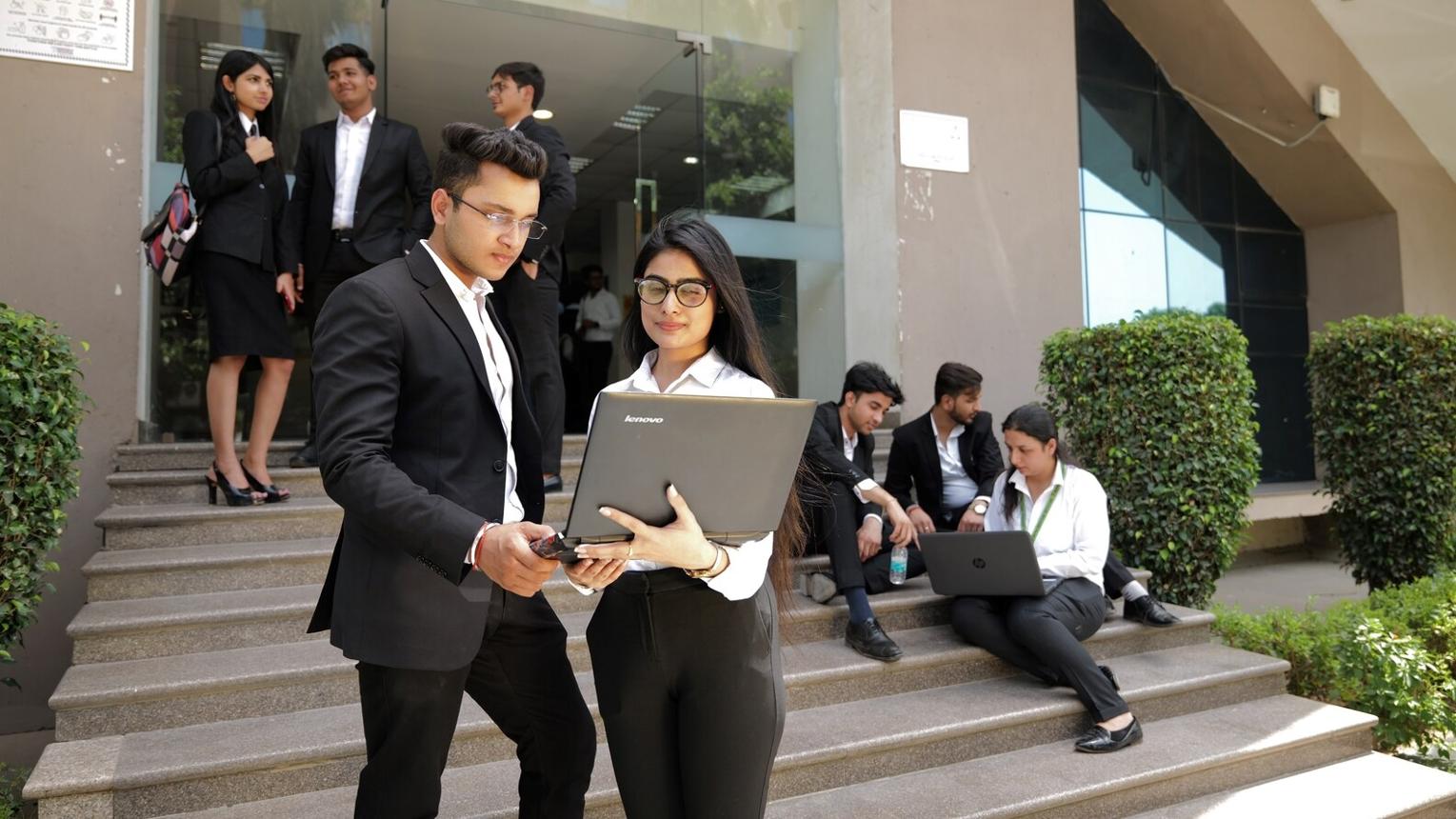
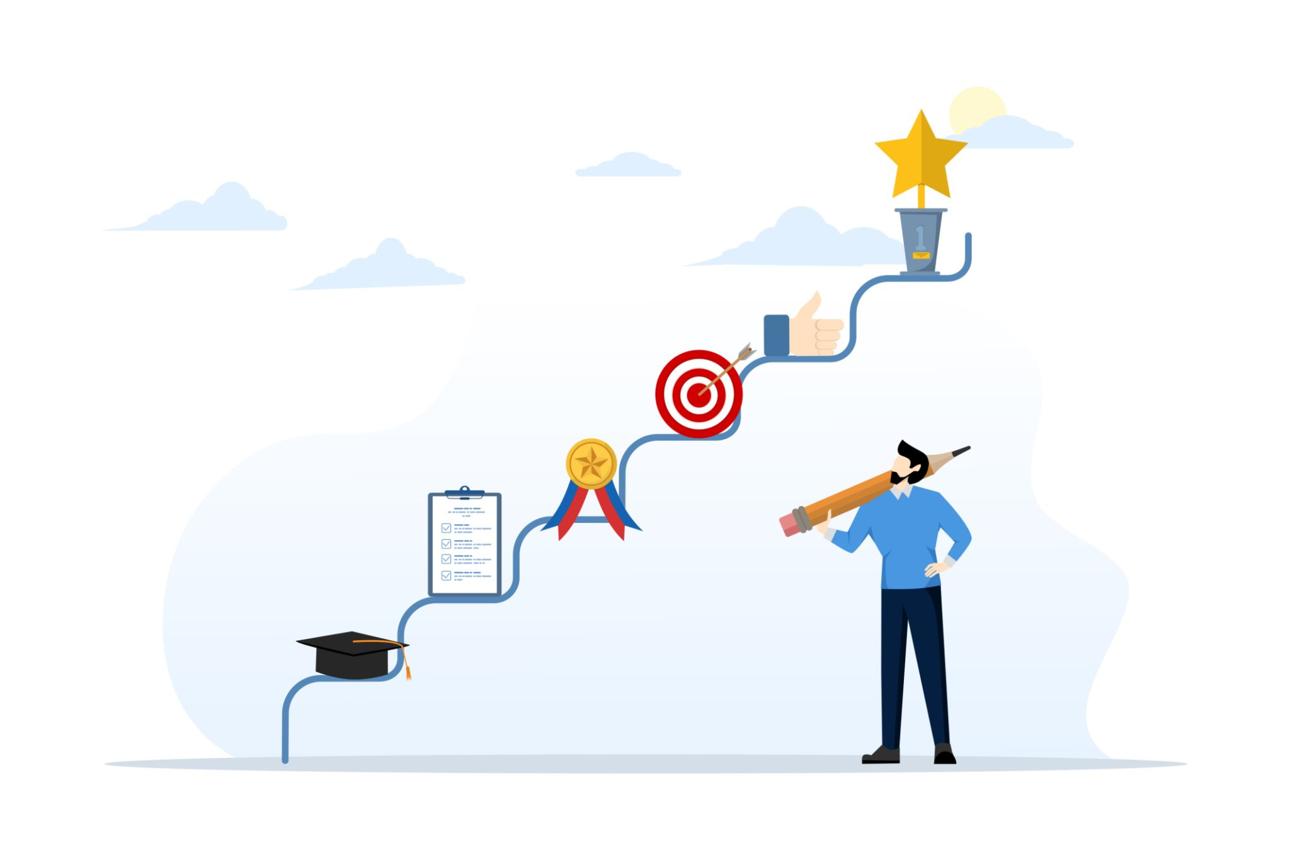
The transition from education to employment has always been challenging. Rise2Hire acts as the missing link that connects learning with real-world opportunities. By integrating training, mentorship, and hiring, the platform creates a seamless journey for students and job seekers.
It empowers institutions, supports professionals, and enables companies to build strong teams—making it a complete ecosystem for growth and success.
11. Importance of Soft Skills, Mock Interviews & Project Presentations


In today’s competitive job market, technical knowledge alone is not enough. Employers are increasingly looking for candidates who can communicate effectively, think critically, and present ideas with confidence. This is where soft skills, mock interviews, and project presentations play a crucial role.
Soft skills such as communication, teamwork, adaptability, and problem-solving are essential in any professional environment. Students who develop these skills early stand out during interviews and perform better in the workplace. However, these skills are rarely taught in traditional academic settings.
Mock interviews provide a practical solution by simulating real hiring scenarios. They help students understand interview dynamics, improve their confidence, and receive constructive feedback. Over time, this practice reduces anxiety and significantly improves performance.
Project presentations are equally important. They enable students to showcase their knowledge, explain their thought process, and demonstrate real-world application of skills. A well-presented project often leaves a stronger impression than a resume alone.
Platforms like Rise2Hire integrate these elements into a structured learning approach. By combining skill development with real-world practice, students become not just qualified—but truly job-ready.
12. App Development Using AI: From Idea to Testing & Deployment

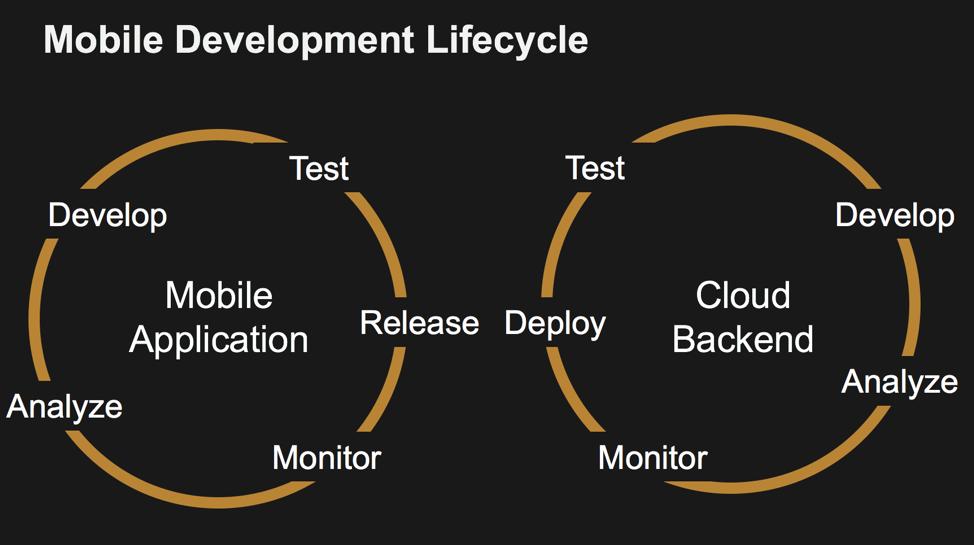
The landscape of app development is rapidly evolving with the integration of Artificial Intelligence. Today, building an application is no longer limited to coding alone—it involves intelligent design, automated testing, and seamless deployment.
AI tools are transforming how developers build applications. From generating code snippets to suggesting UI designs, AI accelerates the development process and reduces manual effort. This allows even beginners to bring their ideas to life faster.
Testing, which was once time-consuming, is now enhanced through AI-driven automation. These tools can identify bugs, predict potential issues, and ensure better performance across devices. This improves product quality while saving significant time.
Deployment has also become more streamlined with cloud platforms and CI/CD pipelines. Developers can launch applications quickly and update them in real time based on user feedback.
For students and aspiring developers, learning app development with AI provides a competitive advantage. It not only enhances productivity but also prepares them for the future of technology.
Rise2Hire encourages hands-on learning in AI-based development, enabling students to build, test, and deploy applications with real-world relevance.
13. Role-Based Hands-on Project Learning: The Most Effective Training Model


Traditional learning methods often focus on theory, leaving students underprepared for real-world challenges. Role-based hands-on project learning is emerging as one of the most effective training approaches.
In this model, students are assigned specific roles such as developer, tester, designer, or project manager within a project. This mirrors real workplace environments and helps students understand team dynamics and responsibilities.
Working on live or simulated projects enables students to apply their knowledge practically. They learn how to solve problems, collaborate with team members, and meet deadlines—skills that are essential in any job.
This approach also builds accountability. Each student contributes to the success of the project, making learning more engaging and meaningful.
Rise2Hire promotes role-based project learning by connecting students with industry mentors who guide them through real-world scenarios. This ensures that students graduate with not just knowledge, but experience.
14. Full Stack Software Development with AI Tools

Full stack development has become one of the most in-demand skills in the tech industry. It involves working on both frontend (user interface) and backend (server-side logic) of applications.
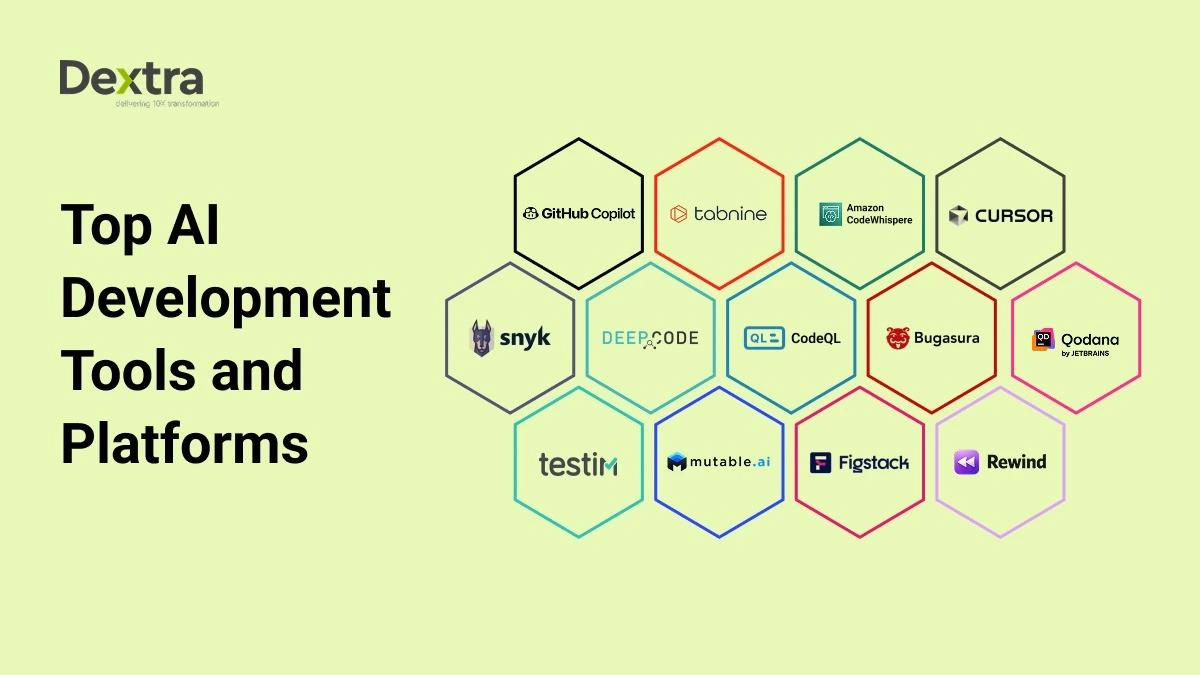
With the rise of AI tools, full stack development is becoming more efficient and accessible. Developers can now use AI-powered assistants to generate code, debug issues, and optimize performance.
AI tools help streamline repetitive tasks, allowing developers to focus on creativity and problem-solving. They also reduce development time and improve code quality.
For students, learning full stack development with AI tools provides a strong foundation for a successful career. It equips them with the ability to build complete applications independently.
Rise2Hire integrates modern tools and technologies into its training programs, ensuring that learners stay ahead in a rapidly evolving industry.
15. Effective Bootcamp Programs by Experts at Campus at Affordable Cost
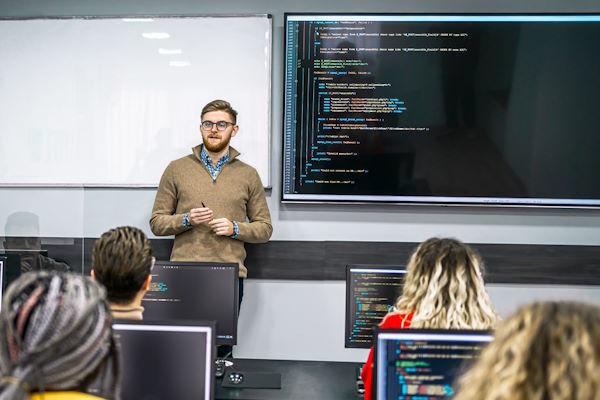
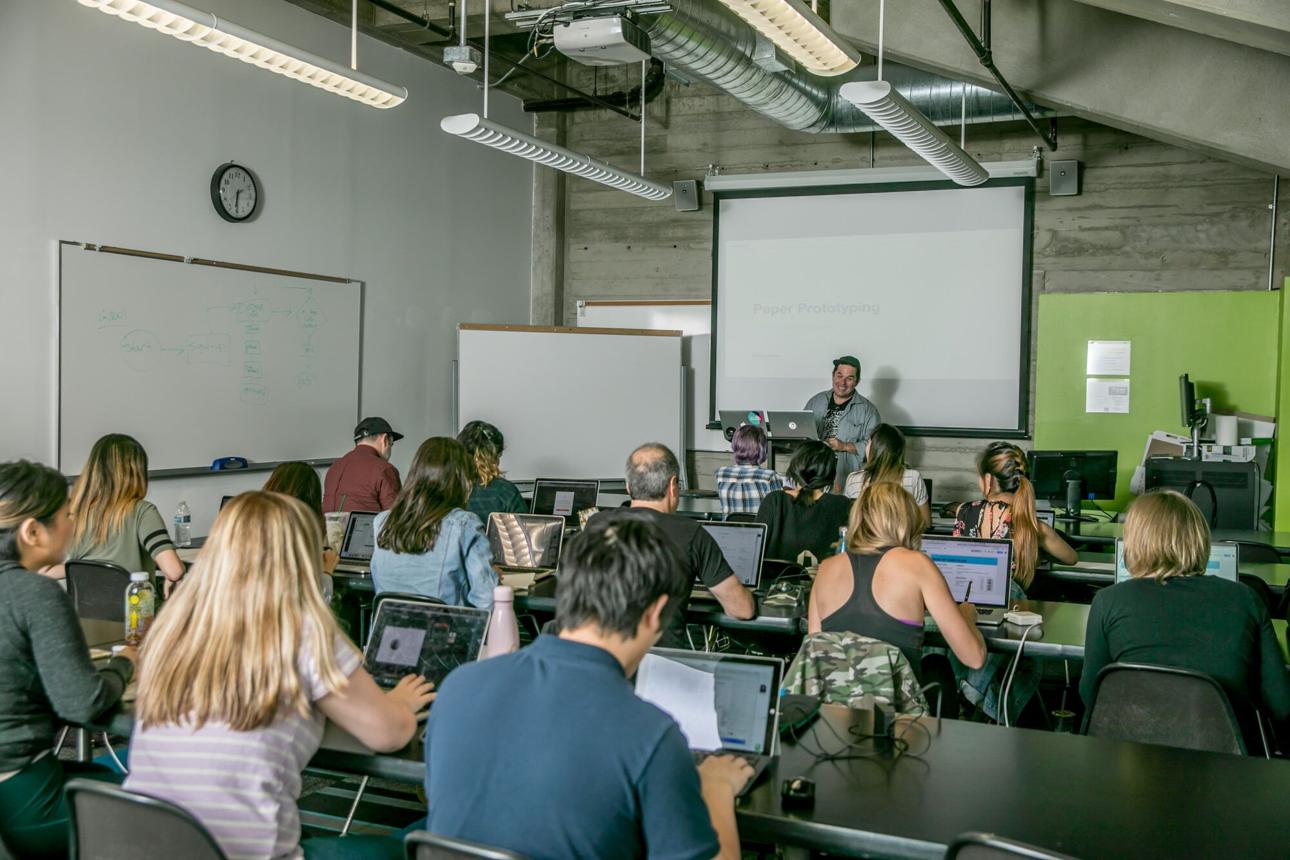
Bootcamp programs have gained popularity as a fast and effective way to acquire job-ready skills. However, accessibility and affordability remain challenges for many students.
Campus-based bootcamps conducted by industry experts offer a powerful solution. These programs bring real-world knowledge directly to students, eliminating the need for expensive external training.
Such bootcamps focus on practical learning, covering industry-relevant topics, tools, and technologies. Students gain hands-on experience and receive guidance from professionals who understand current market demands.
Affordability is a key factor. By conducting programs within campuses, costs are significantly reduced, making quality education accessible to a larger audience.
Rise2Hire facilitates these bootcamps by connecting institutions with experienced trainers and mentors. This ensures high-quality training at a reasonable cost.
The result is a win-win situation—students gain valuable skills, institutions enhance their offerings, and industry experts contribute to shaping future talent.